
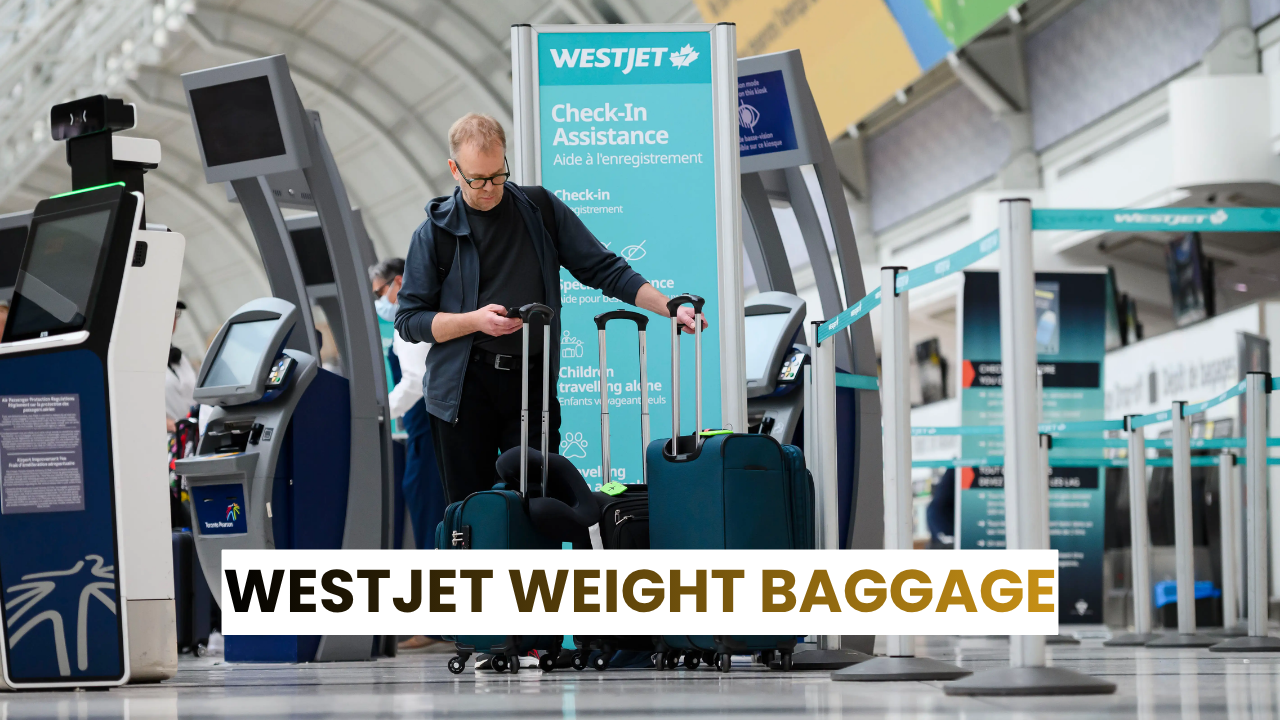

Introduction to WestJet baggage rules
Traveling with airlines requires a clear understanding of luggage rules, especially when it comes to weight limits and size restrictions. One of the most important things passengers need to know before flying with WestJet is the WestJet weight baggage policy, which determines how much luggage you can carry without paying extra fees.
- Introduction to WestJet baggage rules
- What WestJet weight baggage means
- Checked baggage allowance rules
- Carry-on baggage rules explained
- Extra baggage and overweight charges
- Bio Table
- Fare types and baggage differences
- International travel considerations
- Tips to avoid baggage fees
- Why baggage weight rules matter
- Final thoughts
- FAQs
WestJet has built its baggage system around fairness, efficiency, and safety. The airline sets specific limits for checked bags, carry-on items, and oversized luggage to ensure smooth operations at airports and comfortable travel for passengers.
Understanding WestJet weight baggage rules in advance can help travelers avoid unexpected charges and delays at check-in counters.
What WestJet weight baggage means
The term WestJet weight baggage refers to the maximum allowed weight and size of luggage that passengers can bring on board or check in. These limits are not random; they are designed to balance aircraft safety, fuel efficiency, and handling convenience.
For most standard economy tickets, the WestJet weight baggage allowance is based on a fixed weight limit per checked bag. If luggage exceeds that limit, passengers must pay additional fees.
This system ensures that aircraft remain within safe weight limits while also encouraging passengers to pack efficiently.
Checked baggage allowance rules
Checked baggage is the luggage you hand over at the airport before boarding. According to official WestJet guidelines, the standard allowance is:
Most passengers are allowed one or more checked bags depending on their fare type. The typical WestJet weight baggage limit for each checked suitcase is 23 kg (50 lbs), with total linear dimensions not exceeding 157 cm (62 inches).
If a bag exceeds these limits, it is considered overweight or oversized and will incur additional charges. The airline may also restrict extremely heavy bags for safety reasons.
The WestJet weight baggage system is especially important for international travelers, where baggage handling rules can vary slightly depending on the destination country.
Carry-on baggage rules explained
Carry-on luggage is equally important when discussing WestJet weight baggage, although it follows slightly different rules. Instead of strict weight limits, WestJet focuses on size and handling ability.
Passengers are generally allowed:
- One standard carry-on bag
- One personal item such as a laptop bag or purse
The carry-on must fit in the overhead bin, while the personal item must fit under the seat in front of you. Although WestJet does not strictly enforce a weight number for carry-on items, the WestJet weight baggage guideline requires that passengers must be able to lift their own bag without assistance.
This ensures safety and prevents delays during boarding.
Extra baggage and overweight charges
Understanding extra charges is essential when learning about WestJet weight baggage. If your luggage exceeds the standard allowance, WestJet applies additional fees based on weight and size.
Overweight bags (more than 23 kg) and oversized bags (more than 157 cm total dimensions) are charged separately. In some cases, extremely heavy bags may not be accepted at all for safety reasons.
Passengers who frequently travel with heavy luggage should always check WestJet weight baggage limits before packing to avoid unexpected costs at the airport.
Bio Table
| Field | Details |
|---|---|
| Topic | WestJet Weight Baggage Policy |
| Airline | WestJet |
| Article Type | Informational / Travel Guide Blog |
| Focus Keyword | westjet weight baggage |
| Language | English |
| Target Audience | Travelers, tourists, airline passengers |
| Purpose | Explain baggage rules, limits, and fees clearly |
| Content Style | SEO-friendly, human-written, informational |
Fare types and baggage differences
Not all tickets include the same baggage allowance. The WestJet weight baggage policy depends heavily on the type of fare purchased.
Basic economy fares may include only a personal item or carry-on, while higher-tier fares such as premium economy or business class usually include at least one checked bag.
This flexible system allows passengers to choose fares based on their travel needs, whether they are light packers or require more luggage space.
Understanding how your fare affects WestJet weight baggage limits can significantly reduce travel expenses.
International travel considerations
When flying internationally, WestJet weight baggage rules may align with destination regulations. Some countries have stricter baggage handling requirements, especially for connecting flights with partner airlines.
In such cases, passengers must follow the most restrictive rule between airlines. This means even if WestJet allows a certain weight, a partner airline may enforce a lower limit.
Travelers should always verify WestJet weight baggage rules before international trips to avoid confusion during transfers or layovers.

Tips to avoid baggage fees
Managing luggage efficiently can help passengers avoid extra charges. The key to staying within WestJet weight baggage limits is smart packing and awareness.
Using lightweight luggage, packing only essentials, and weighing bags before arriving at the airport are simple but effective strategies.
Many travelers also use portable luggage scales to ensure their bags meet WestJet weight baggage requirements before departure.
Why baggage weight rules matter
Airline baggage policies are not just about money—they are essential for safety and operational efficiency. The WestJet weight baggage system helps maintain proper aircraft balance, ensures smooth boarding processes, and reduces delays caused by overloaded luggage.
By following these guidelines, passengers contribute to safer and more efficient air travel for everyone.
Final thoughts
The WestJet weight baggage policy is designed to be simple, fair, and consistent for all travelers. Whether you are flying domestically or internationally, understanding these rules helps you travel without stress or unexpected expenses.
By keeping your luggage within the allowed weight and size limits, you ensure a smooth journey from check-in to arrival.
Always check your specific fare conditions before packing, as WestJet weight baggage rules can vary slightly depending on your ticket type and route.
FAQs
Q: What is the standard WestJet weight baggage limit?
A: Most checked bags must not exceed 23 kg (50 lbs).
Q: Does carry-on baggage have a weight limit?
A: No strict limit, but you must be able to lift it yourself.
Q: What happens if my bag is overweight?
A: You will be charged extra fees depending on excess weight.
Q: How many bags can I check in?
A: It depends on your fare, usually up to 2 or more bags.
Q: Can I avoid WestJet baggage fees?
A: Yes, by packing within the allowed WestJet weight baggage limits and choosing higher fare bundles.