

Introduction
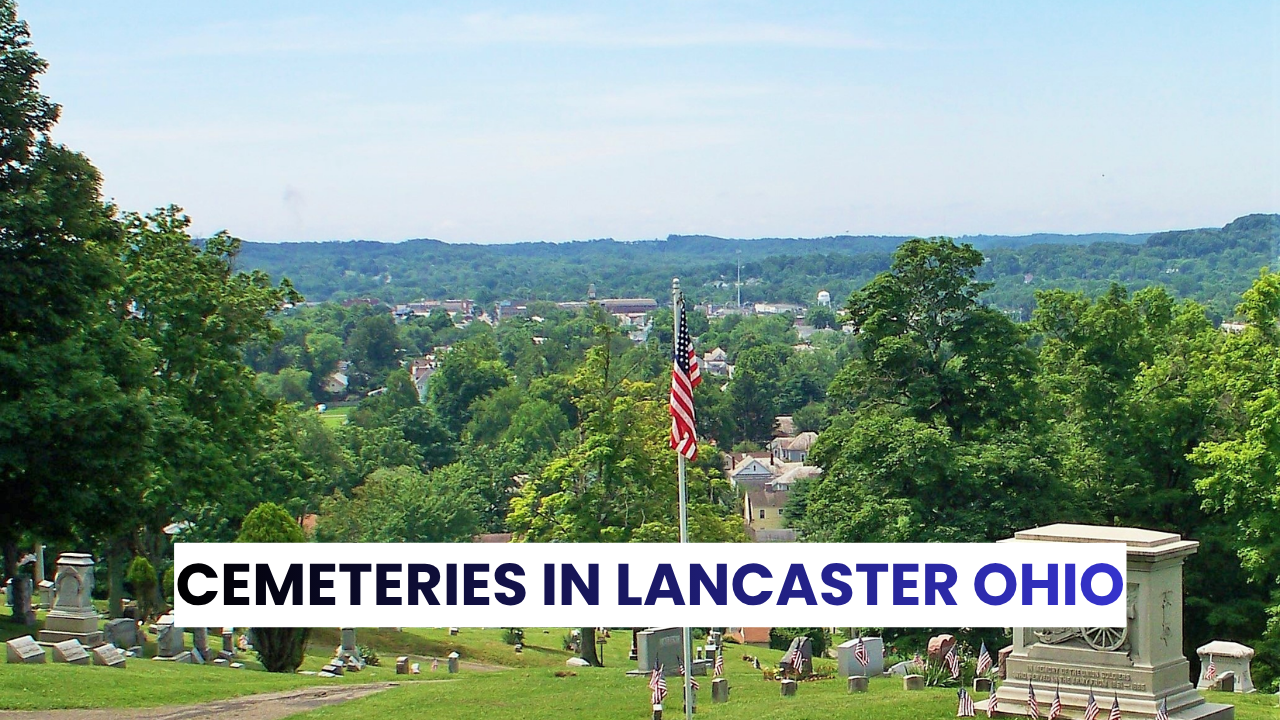
The story of cemeteries in Lancaster Ohio is deeply connected to the history of Fairfield County and the early settlement of southeastern Ohio. These burial grounds are not only places of remembrance but also living archives of the city’s cultural, military, and family history. From early pioneer graves to well-maintained modern memorial parks, Lancaster’s cemeteries reflect more than two centuries of community life.
- Introduction
- Early History of Burial Grounds in Lancaster
- Elmwood Cemetery and Its Historic Value
- Forest Rose Cemetery as the Modern Center
- Bio Table
- Maple Grove Cemetery and Community Heritage
- Stonewall Cemetery and Historic Architecture
- Applegate Cemetery and Lesser-Known Sites
- Genealogy, Records, and Historical Importance
- Notable Burials and Historical Figures
- Preservation and Visiting Experience
- Conclusion
- FAQs
Visitors researching cemeteries in Lancaster Ohio often discover that these sites hold far more than names and dates. They contain stories of migration, war, faith, hardship, and growth. Each headstone marks a personal journey, and together they form a historical record that continues to guide genealogists, historians, and families tracing their roots.
Early History of Burial Grounds in Lancaster
The earliest phase of cemeteries in Lancaster Ohio dates back to the early 1800s, when settlers established small family plots and church graveyards. During this period, burial practices were simple, often taking place on farmland or near churches. As Lancaster grew into a structured town, the need for organized burial spaces became clear.
By the mid-19th century, formal cemeteries began to appear, designed with sections, pathways, and records. This transition marked a shift from scattered graves to planned memorial grounds. Many of these early burial sites still exist today in preserved or relocated forms, making cemeteries in Lancaster Ohio a direct link to the city’s founding generations.
Elmwood Cemetery and Its Historic Value
Elmwood Cemetery stands as one of the most historically significant sites among cemeteries in Lancaster Ohio. Established in the early 19th century, it reflects the city’s earliest structured approach to burial and remembrance.
The cemetery includes graves of Civil War veterans, early settlers, and influential local families. Many of the stones are weathered but still legible, offering insight into life expectancy, family size, and historical naming traditions. The average recorded age on older graves varies widely, with many individuals passing in their 30s and 40s due to the medical limitations of the era.
Elmwood Cemetery also highlights how Lancaster preserved its history during urban expansion. Instead of being replaced, it has been maintained as a cultural landmark. Among cemeteries in Lancaster Ohio, Elmwood is often seen as a quiet historical archive more than just a burial ground.
Forest Rose Cemetery as the Modern Center
Forest Rose Cemetery is the largest and most actively used burial site in Lancaster. It represents the modern evolution of cemeteries in Lancaster Ohio, designed with structured sections, roadways, and long-term maintenance planning.
Established in the late 19th century, Forest Rose became the primary cemetery as older burial grounds reached capacity. Many earlier graves were respectfully relocated here, ensuring historical continuity. The cemetery now contains thousands of interments, including veterans from multiple U.S. wars.
Unlike older graveyards, Forest Rose is carefully mapped and maintained, making it a central reference point for anyone researching cemeteries in Lancaster Ohio today. Its organization reflects changing attitudes toward memorial care, emphasizing dignity, accessibility, and preservation.
Bio Table
| Field | Details |
|---|---|
| Article Title | Cemeteries in Lancaster Ohio: History, Heritage & Burial Sites |
| Focus Keyword | cemeteries in lancaster ohio |
| Region | Lancaster, Fairfield County, Ohio, USA |
| Article Type | Local History / Travel / Heritage Guide |
| Language | English |
| Content Tone | Informative, Historical, Human-written style |
| Target Audience | Historians, genealogy researchers, local visitors, students |
| Purpose | To explore historical cemeteries, burial heritage, and community value |
Maple Grove Cemetery and Community Heritage
Maple Grove Cemetery is another important part of cemeteries in Lancaster Ohio, offering a quieter and more rural environment. Located slightly outside the city center, it is known for its peaceful atmosphere and family-oriented burial plots.
This cemetery is often associated with long-standing Lancaster families whose descendants still live in the region. The records here typically include detailed family relationships, occupations, and sometimes personal inscriptions that reflect community status and values.
Maple Grove represents the more intimate side of cemeteries in Lancaster Ohio, where generations of families are buried together, preserving local lineage and identity in a single landscape.
Stonewall Cemetery and Historic Architecture
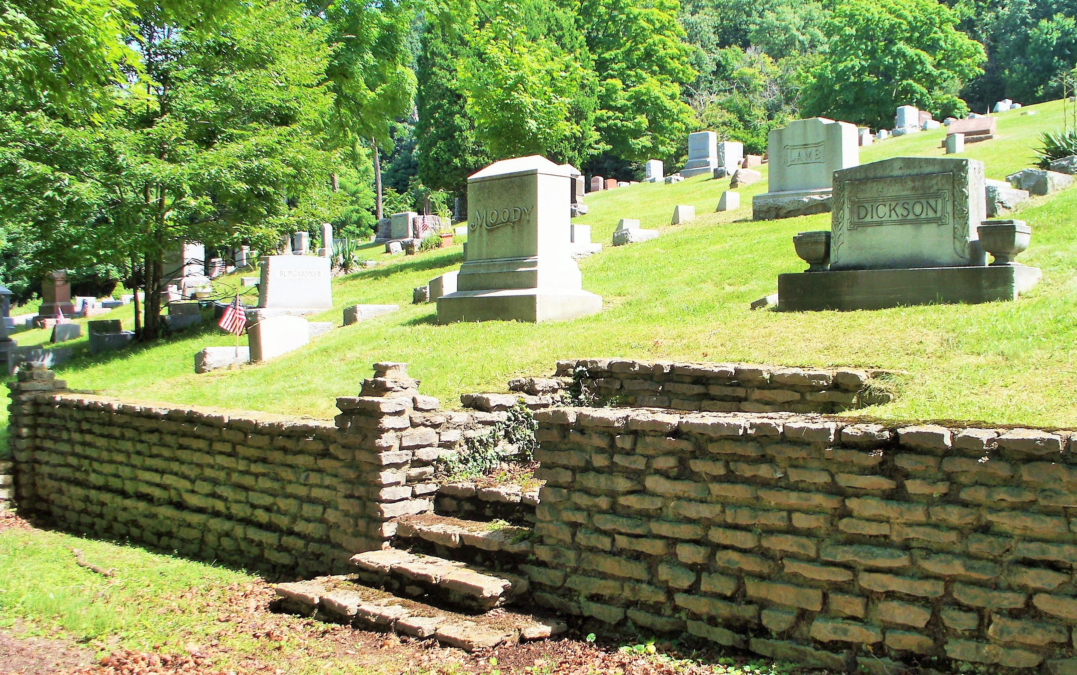
Stonewall Cemetery is one of the most visually unique sites in the region and a highlight among cemeteries in Lancaster Ohio. It is enclosed by a distinctive sandstone wall forming a rare geometric enclosure. Built in the early 1800s, it reflects both architectural creativity and early American burial traditions.
This cemetery is associated with some of the earliest families in the region. The inscriptions found here often show shorter life spans and large family networks, typical of frontier life. Many records include details such as age at death, spouse names, and children, providing valuable genealogical insight.
Stonewall Cemetery stands as a reminder that cemeteries in Lancaster Ohio are not just resting places but also architectural and historical landmarks.
Applegate Cemetery and Lesser-Known Sites
Applegate Cemetery is smaller and less visited but still an important part of cemeteries in Lancaster Ohio. With fewer than a hundred recorded burials, it reflects a more personal and family-based burial tradition.
This site is often overlooked due to its size and hidden location, yet it carries historical significance. Many of the individuals buried here were early landowners and local residents whose families contributed to Lancaster’s development.
Even in its simplicity, Applegate Cemetery contributes to the broader understanding of cemeteries in Lancaster Ohio as layered historical spaces ranging from large public grounds to small private plots.
Genealogy, Records, and Historical Importance
One of the most valuable aspects of cemeteries in Lancaster Ohio is their role in genealogy. Burial records often include important personal details such as birth and death dates, family relationships, and sometimes occupations or military service.
In older graves, demographic data like age at death reveals historical living conditions. Many individuals died young due to disease, limited medical care, and harsh living environments. In modern records, information is more structured and often digitally archived.
Unlike modern public figures where data such as net worth, physical appearance, or social media presence may be relevant, historical cemetery records focus on family lineage and life events. These details help researchers reconstruct community history in a meaningful way.
Notable Burials and Historical Figures
Across cemeteries in Lancaster Ohio, there are several notable individuals connected to local government, military service, and early settlement. While not widely known nationally, many played important roles in shaping Fairfield County.
Biographical records of these individuals typically include age at death, family background, military rank if applicable, and community contributions. For historical figures, physical appearance descriptions are rare, and modern metrics like net worth or social media presence do not apply.
However, their legacy is preserved through inscriptions, local archives, and cemetery records that continue to be studied by historians and descendants.
Preservation and Visiting Experience
Today, cemeteries in Lancaster Ohio are maintained with a strong focus on preservation and respect. City authorities and historical groups ensure that older graves are protected from damage and natural decay.
Visitors often describe these cemeteries as peaceful spaces that combine history with nature. Walking paths, shaded trees, and carefully maintained sections create an environment suitable for reflection and education.
Many schools and historical societies organize visits to teach students about local history, making these cemeteries both educational and cultural landmarks.
Conclusion
The significance of cemeteries in Lancaster Ohio goes far beyond burial grounds. They are historical records, family archives, architectural sites, and cultural symbols of a growing American community. From Elmwood’s historic stones to Forest Rose’s organized modern layout, each cemetery tells a unique part of Lancaster’s story.
Together, they preserve the memory of generations who shaped the region and ensure that their stories remain accessible for future research and remembrance.
FAQs
Q: What are cemeteries in Lancaster Ohio known for?
A: They are known for historic burials, genealogy records, and preserved community heritage.
Q: Which is the oldest cemetery in Lancaster Ohio?
A: Elmwood Cemetery is among the oldest and most historically significant.
Q: Can visitors access cemeteries in Lancaster Ohio?
A: Yes, most cemeteries are open to the public during daylight hours.
Q: Are there famous people buried there?
A: Yes, mainly local historical figures, veterans, and early settlers.
Q: Why are cemeteries important in Lancaster Ohio?
A: They preserve history, support genealogy research, and honor past generations.